
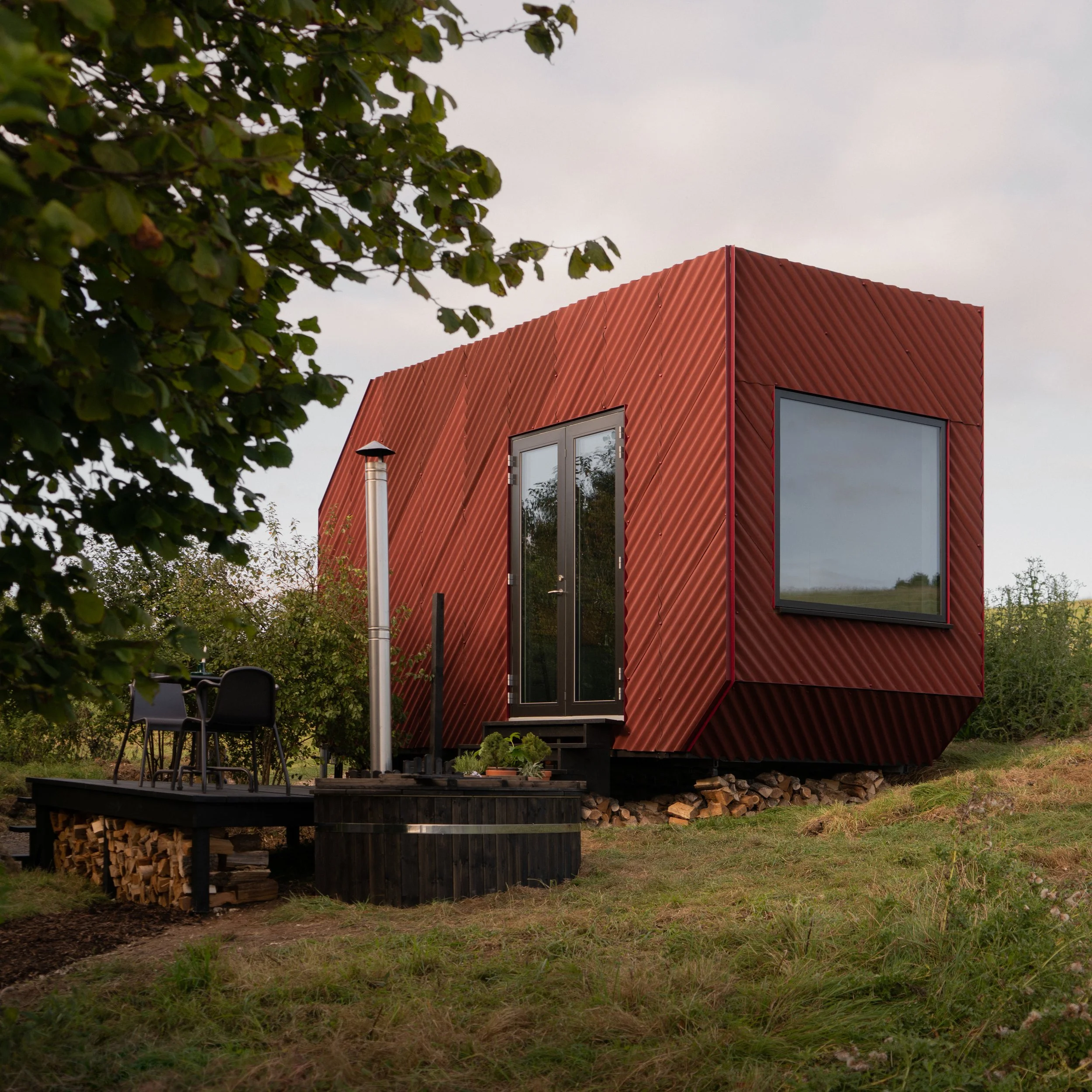
The Bide
Location: Milton Abbas, Dorset
Size: 20sqm
Client: In-house Project
Project Type: Tiny House, Holiday Cabin
Services: Full Architectural Services, Self-build, Interior Design, Furniture Package
Status: Completed, book at stay at www.thebide.com
Collaborators: Wikihouse, Velfac, Forbo, Partel, Valchromat, Lusso Stone, Naturalmat
The Bide is a cabin on a working farm in rural Dorset with the original structure undertaken as an in-house project by Scott in collaboration with his partner Caroline. They now run it as a holiday retreat which can be book at www.thebide.com. It is an inviting cozy space, designed to encourage relaxation and to showcase sustainable technologies and new construction material. It was build during the Covid lock-down on a driveway in Lincolnshire.
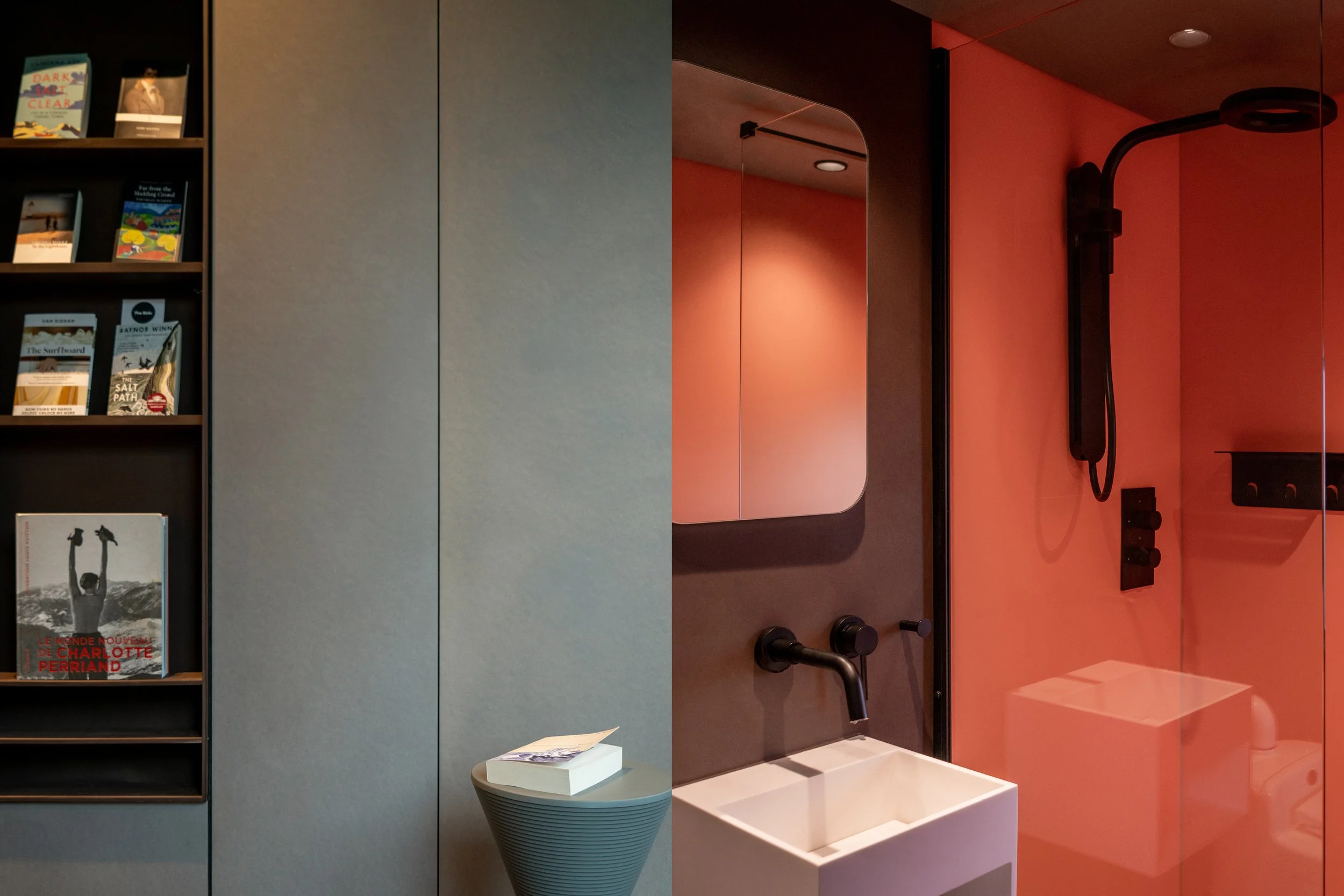
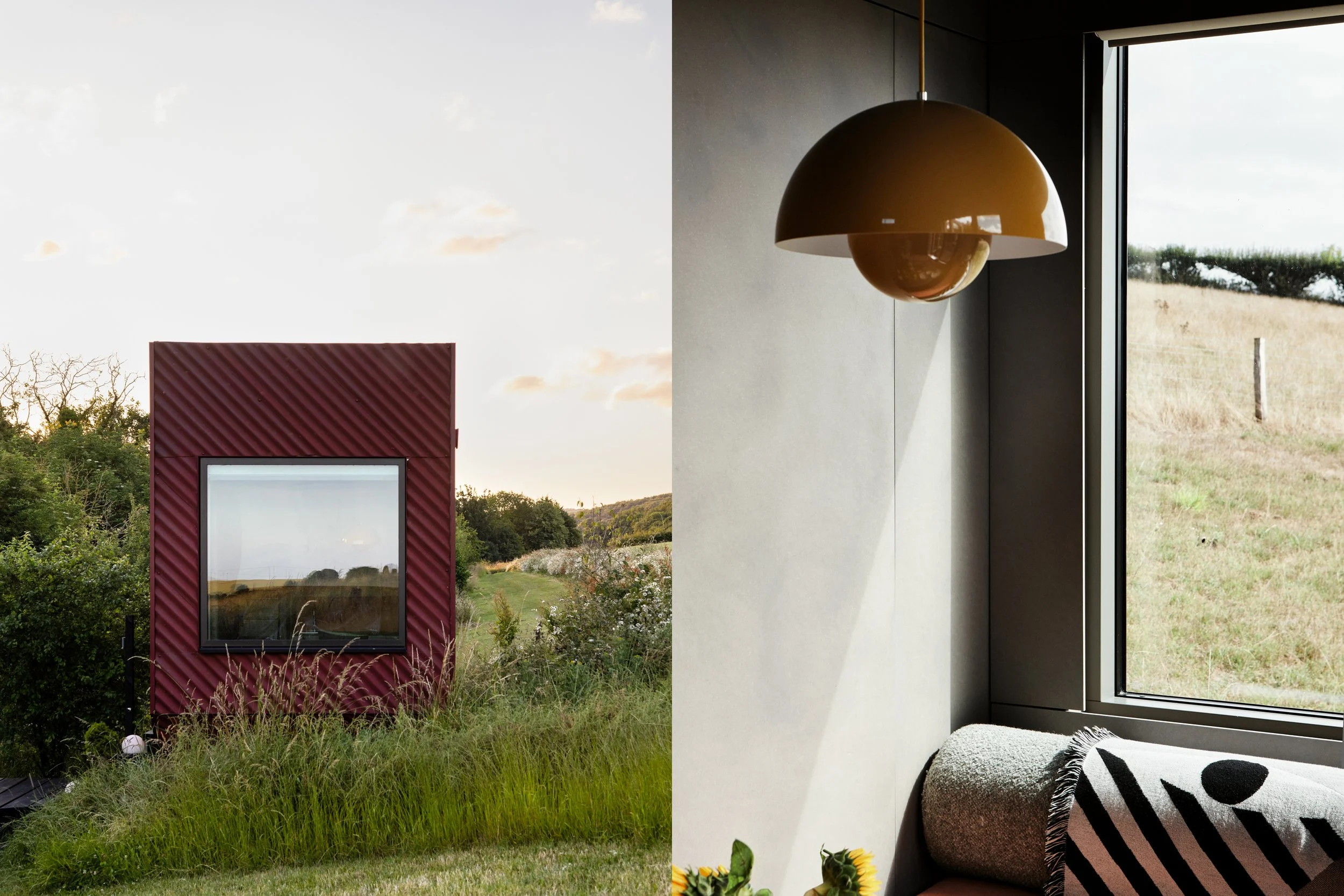
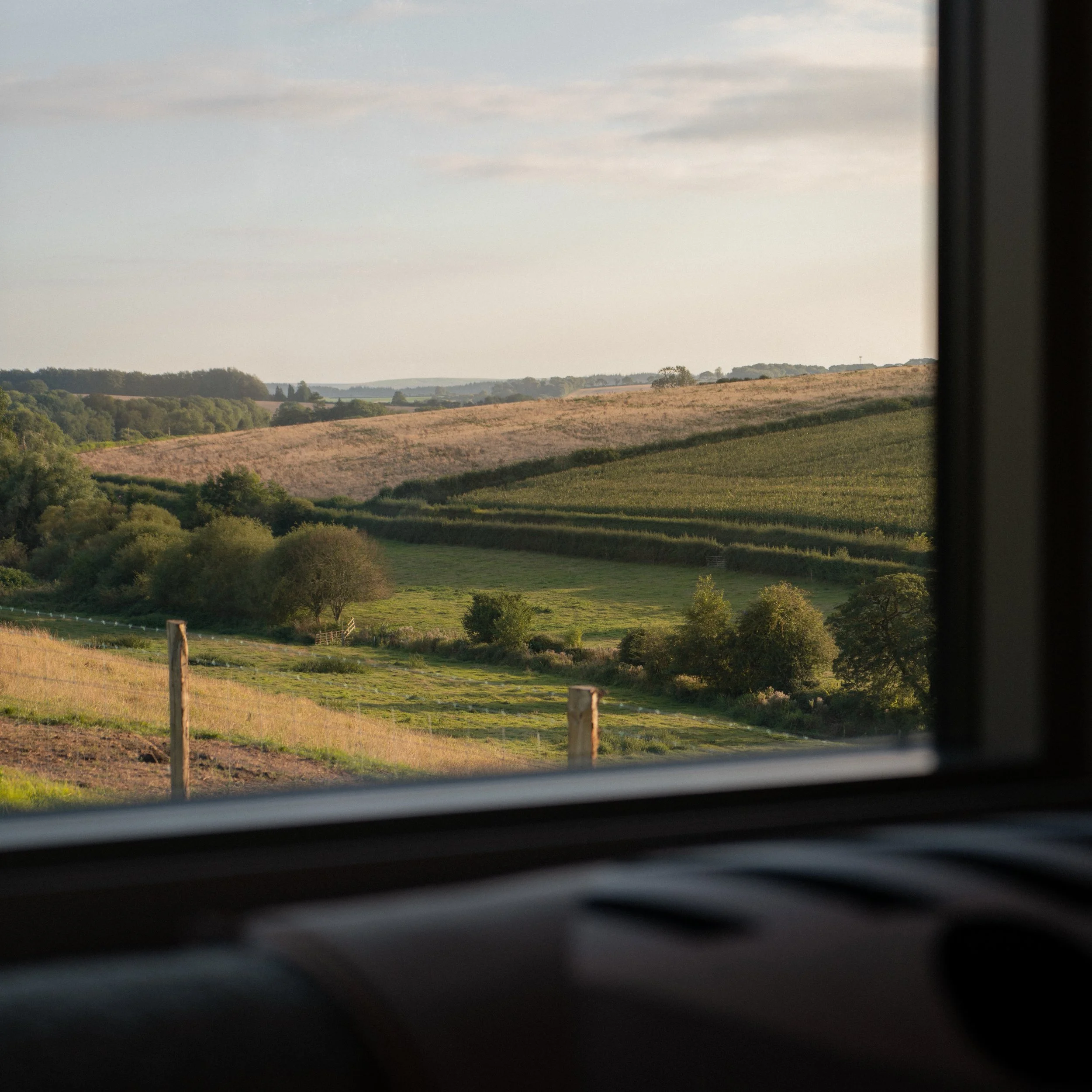
-
Context & Brief
The project was inspired by a visit to the Bauhaus Archives in Berlin, where architecture students had been challenged to design and construct Tiny Houses. This experience prompted the idea for a hands-on self-build project at a scale that could be personally crafted within the couples available skillset. Without a fixed location, the concept naturally evolved into a mobile Tiny House constructed on a flatbed trailer structure, allowing flexibility in siting and use. The completed building has since been relocated to a rural farm setting, where it now serves as a rural retreat available for holiday stays.
-
Design Approach
The design approach was shaped by the practical limitations of constructing on a flatbed tiny house trailer, requiring careful adherence to the width and height restrictions of the road network. Within these constraints, close attention was given to what is truly needed to create an inviting and comfortable space for a short stay, while using the available footprint as efficiently as possible. A mezzanine arrangement was developed to accommodate a super-king-size bed positioned above the bathroom and kitchenette, allowing the primary living area to occupy a taller one-and-a-half-storey volume. This strategy avoids any sense of confinement often associated with compact cabins, instead creating a space that feels open, generous, and deceptively spacious.
-
Outcome & Impact
The Bide has become an integral part of a wider farm diversification initiative, supporting the long-term sustainability of a local rural enterprise while offering a distinctive holiday experience. The project received a Silver Award at the Dorset Tourism Awards and has attracted national press coverage in publications including Elle Decoration, Wallpaper, The Times, and Living Etc. High levels of airtightness and insulation ensure strong year-round occupancy, extending well into the winter months. Its success has since inspired a second cabin, The Bide Nest, completed in July 2026. The project has also served as a valuable test bed for ReFrame Studio’s exploration of CNC-based construction, informing future joinery design and contributing to the studio’s work as a Certified Wikihouse designer.
-
Technical Details
Description goes hereThe construction system The Bide was guided by the practical realities of self-build, with priority given to a construction system that aligned with the skills available while still delivering strong environmental performance. Wikihouse was selected for its intuitive assembly, lightweight structure, and high-performing thermal envelope. Natural and low-impact materials were used wherever possible, including sheep’s wool insulation, wood fibre, and recycled cellulose, supporting a healthy internal environment with reduced embodied impact.
As a low-energy building with high levels of insulation and airtightness, careful control of humidity and the supply of fresh air was essential. This was addressed through the use of a decentralised MVHR system from Partel, ensuring consistent ventilation, comfort, and indoor air quality throughout the compact interior.
-
Challenges & Problem Solving
The delivery of The Bide was shaped by supply chain disruption during the pandemic, requiring flexibility in sourcing and fabrication. The Wikihouse system proved particularly resilient in this context, allowing production to shift between CNC providers without affecting the integrity or accuracy of the design. Practical considerations around transport also influenced material choices, with fragile finishes such as plasterboard and tiled products avoided to reduce the risk of damage in transit. In their place, organically dyed Valchromat panels with a subtle concrete-like patina were specified, installed using secret fixings so they can be easily removed to provide future access to services while maintaining a refined interior finish.
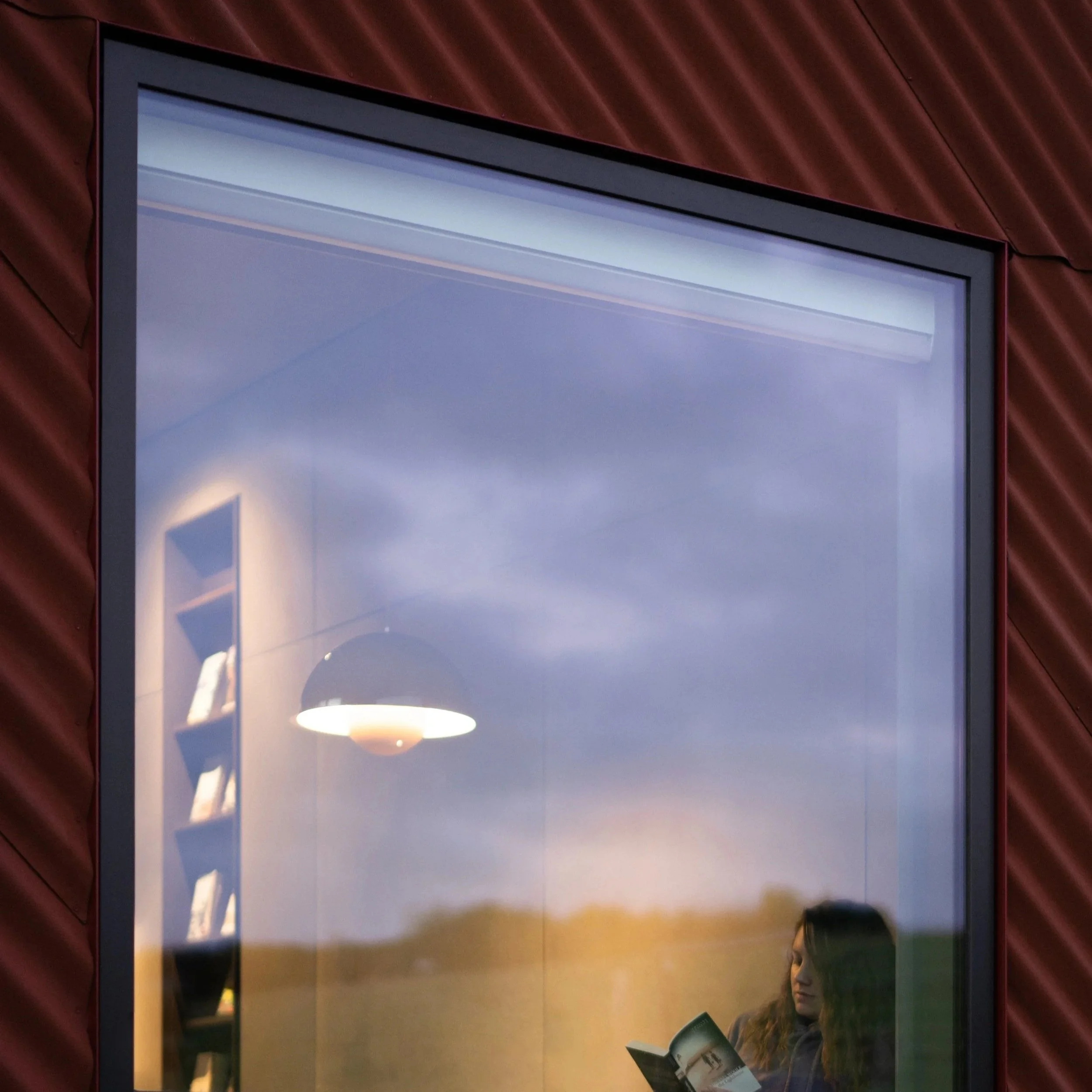
“This place is just a dream. Having stayed in many quirky places around the UK this is easily up there with one of my favourites. The modern element too it makes life just a little easier than a Shepherd's Hut and the design and feel of The Bide is something truly special. An absolute must - turn your phone off, grab a book, make a fire and disconnect. The wildlife is plentiful, we didn't even bother going exploring”
Nathan Thomas
Other projects
-
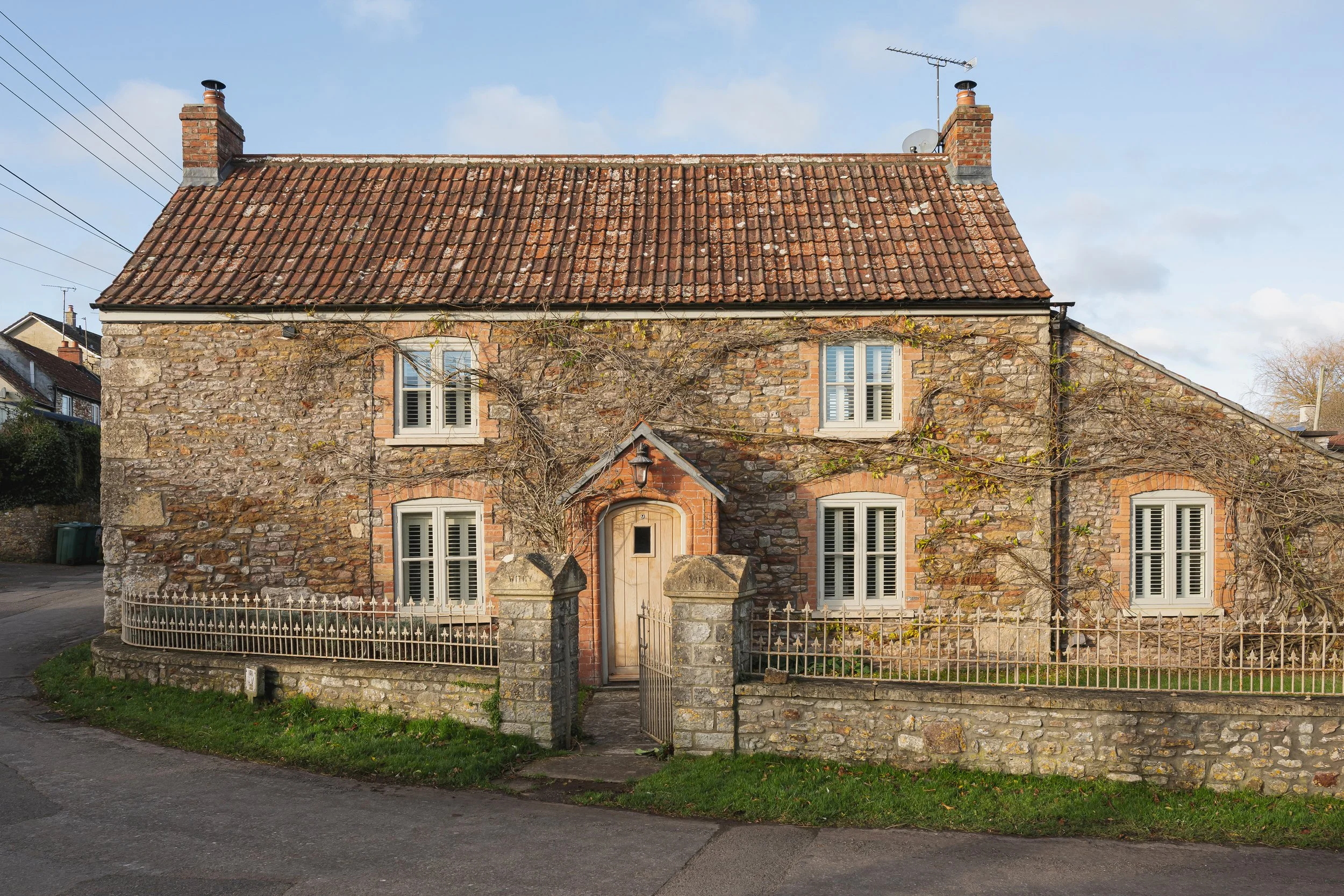
![An image of a home renovated at Withy Villa]()
Withy Villa
Internal Cottage Renovation
-
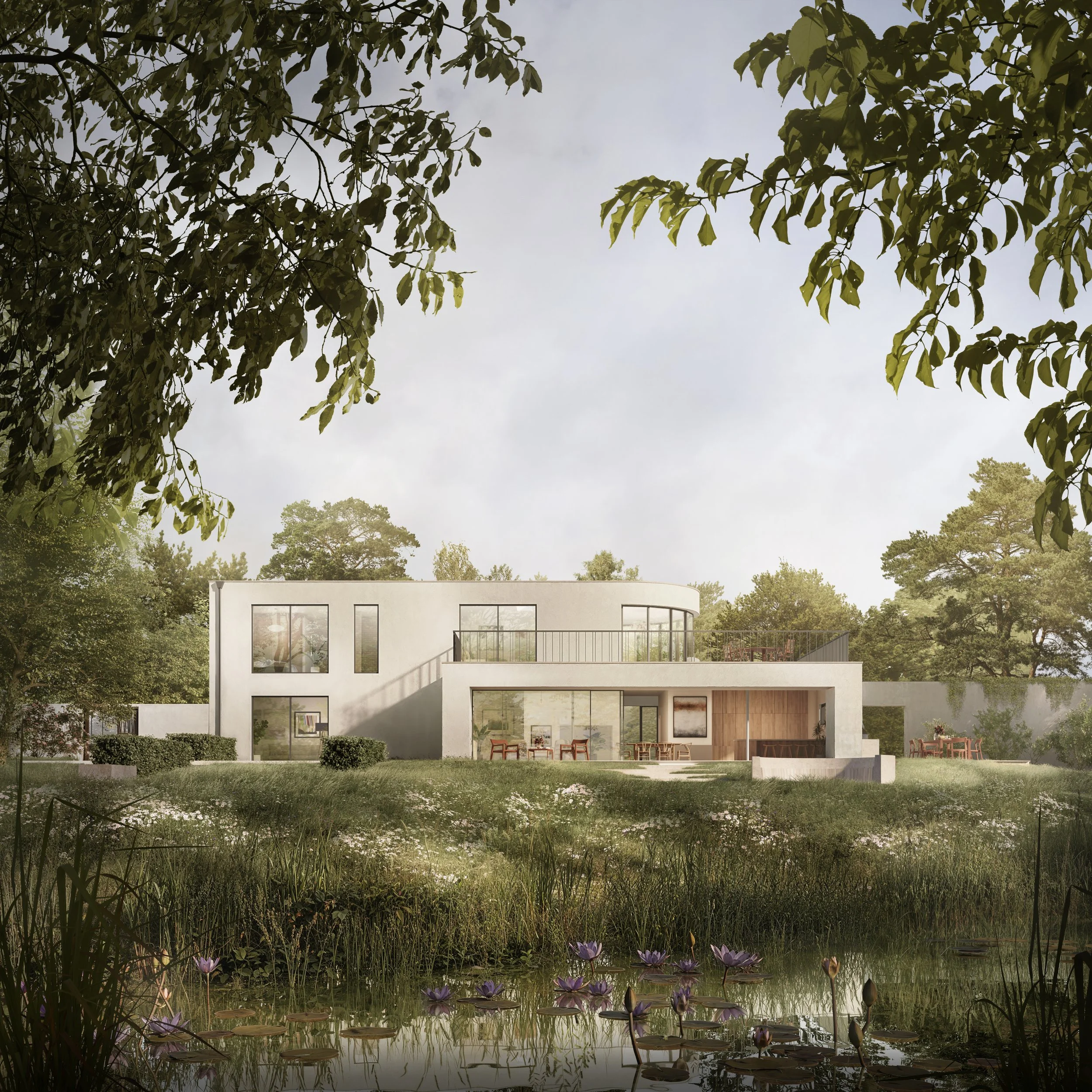
![An image of a contemporary home built at Monks Lake]()
Netley Abbey
Contemporary Lakeside Home
-
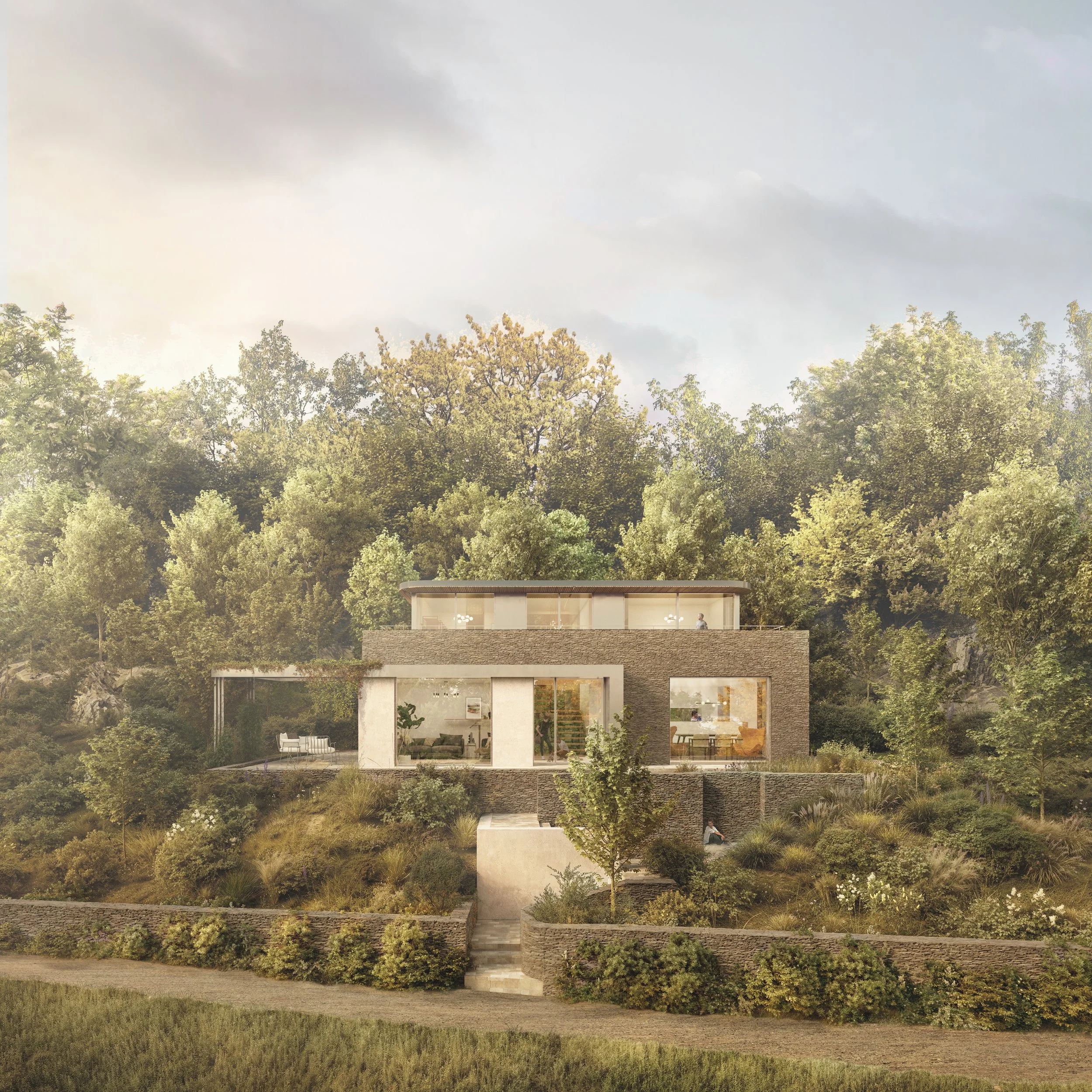
![An image of a contemporary home built at Green Pastures]()
Green Pastures
Modern Reimagining in Exmoor
-
![The Bide eco-cabin with distinctive burgundy corrugated metal cladding and large picture window, nestled in Dorset countryside surrounded by wild grasses and hedgerows at golden hour]()
The Bide
Wikihouse Cabin in Dorset
-
![Modern house with black and wood exterior, large windows, and outdoor seating areas surrounded by trees and greenery.]()
Southern Wood
Woodland Barn-Style New Build
-
![Modern interior featuring a black table, a black chair, a wooden wall with vertical slats, a staircase with wooden and white side panels, and a doorway with a frosted glass side panel.]()
Vine Lane
Contemporary Refurbishment and Garden Transformation
-
![A row of Victorian-style brick houses with bay windows, small front yards enclosed by brick and metal fences, and a sidewalk with fallen leaves.]()
Somerset Road
Victorian Terrace Reconfiguration, London
-
![A modern two-story house with large glass windows, surrounded by trees and landscaping, featuring a stone and wood exterior, with a garage and outdoor seating area.]()
Bonnie Banks
Contemporary Living in Historic Bath
-
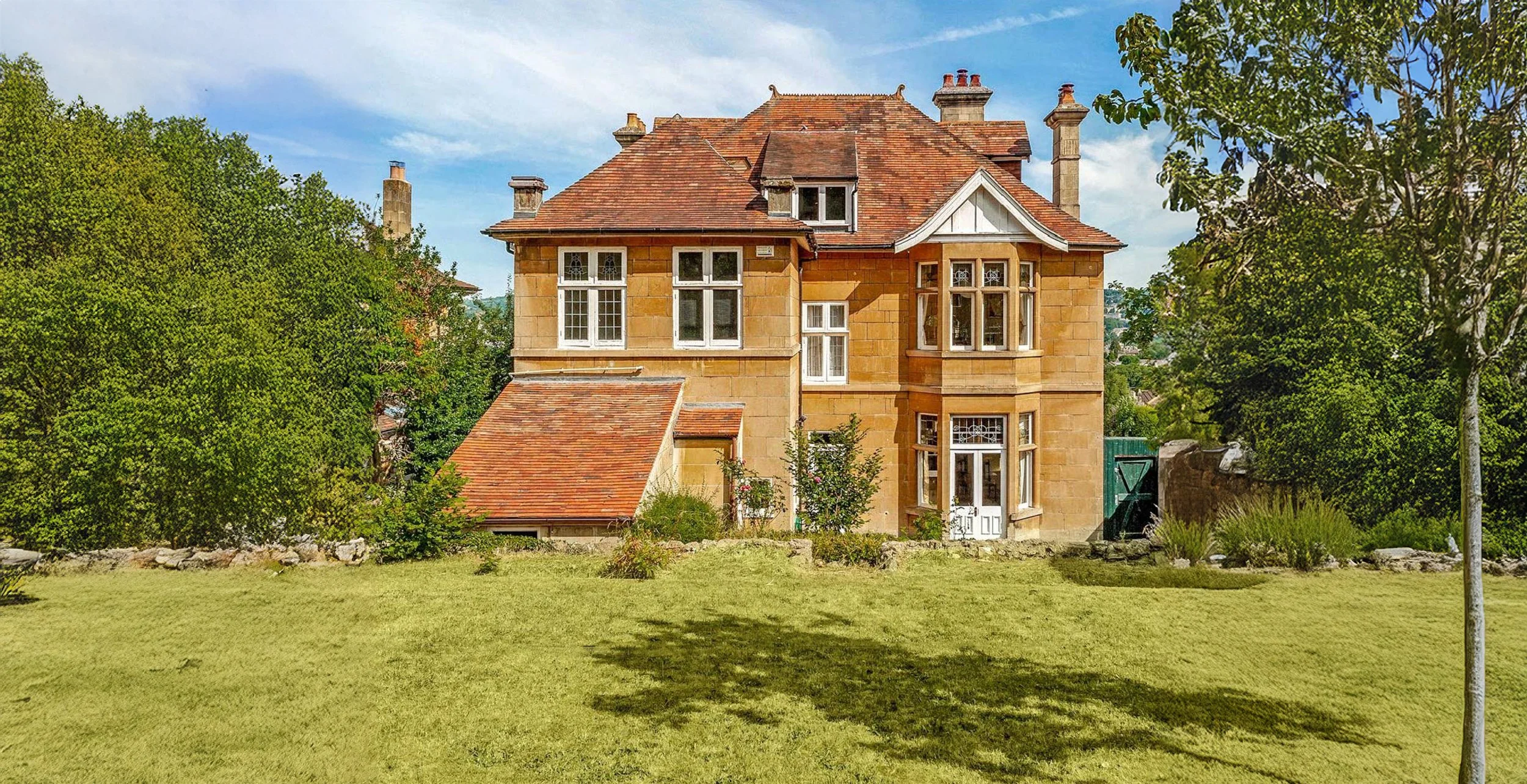
![A large, historic house with a red-tiled roof, multiple chimneys, and a sandstone exterior, surrounded by green trees and a grassy lawn under a partly cloudy sky.]()
Westmead
Contemporary Extension to an Edwardian Home
-
![Modern house with stone and wood exterior, large glass windows, landscaped with purple flowers, steps leading to the house, and an in-ground pool in the foreground under cloudy sky.]()
Somerset Farm
Blending Modern Living with Rural Beauty
-
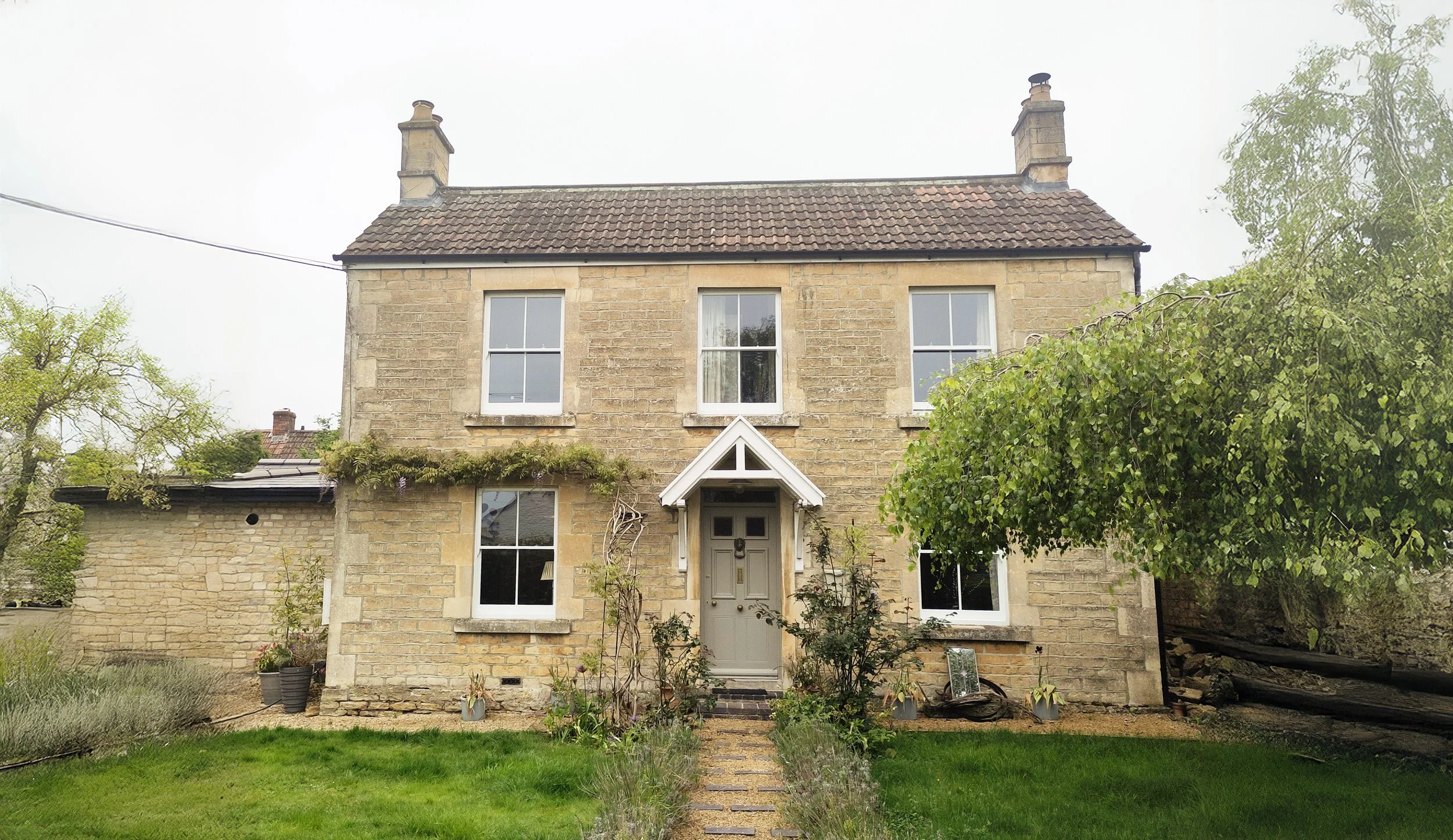
![Stone house with three stories, white window frames, a gray front door, surrounded by greenery and a garden.]()
Whitley
Heritage Home Meets Modern Accessibility



Info
Micro-houses & Holiday Cabins
Passivhaus Design
Project Management
Client Design Advisor
Services
Full Architectural Services
Feasibility Studies
Interior Design
Furniture Selection
CNC Fabrication
Locations
Bath Studio
Trinity Church
Chapel Row
Bath
BA1 2HN
Dorset Studio
Wilton House
4 Alum Chine Road
Bournemouth
BH4 8DY

Contact
carly@reframestudio.co.uk
Contact
scott@reframestudio.co.uk

Architecture &
Spatial Design Services
Company No. 11652386